Designing for Connection: Spaces That Bring People Together
The best homes are designed for connection – the quiet moments between cooking and conversation, the laughter that carries from room to room, the comfort of a slow morning coffee shared in a space that feels like yours.
That’s what this home was missing. And it’s exactly what the redesign brought back.
This Centennial project began as a typical 1990s main floor: segmented rooms, dated finishes, and a layout that made hosting feel like work instead of joy. The potential was always there – it just needed a new flow, new light, and a new sense of purpose. And once the layout could finally breathe, everything else began to fall into place.
Homes built in Colorado during this era often share similar challenges. Rooms feel siloed, traffic patterns are tight, and entertaining requires constant movement between spaces instead of seamless connection.
Where Connection Begins: The Kitchen Before and After
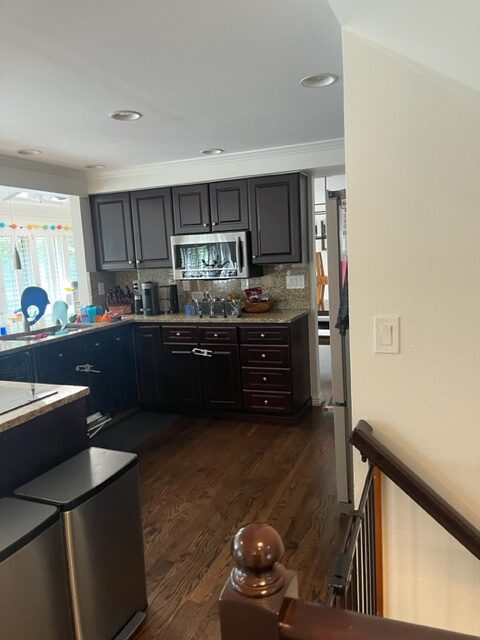
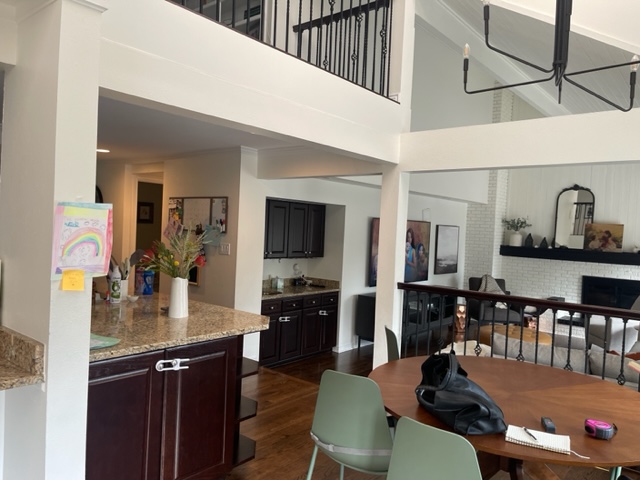
Before the remodel, the kitchen felt tucked away. It was closed in, crowded, and disconnected from the rest of the home. It didn’t support the way this family moved, gathered, or lived.
BEFORE
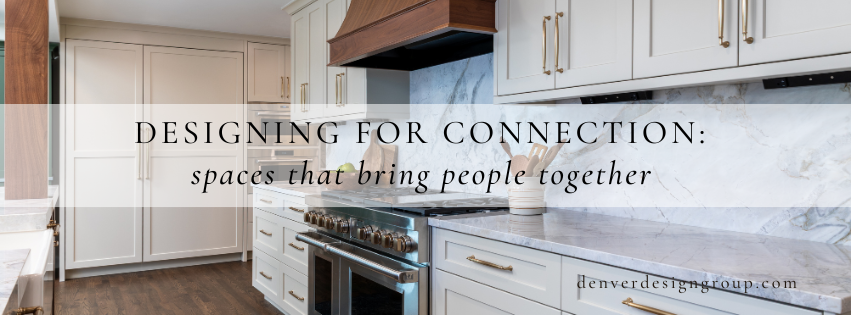
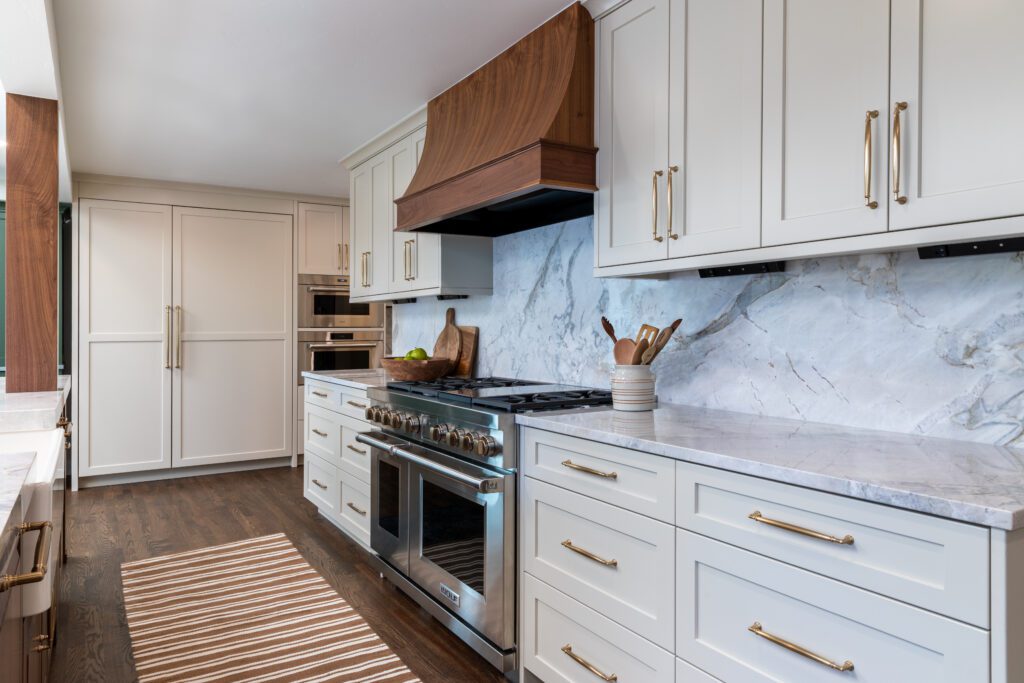
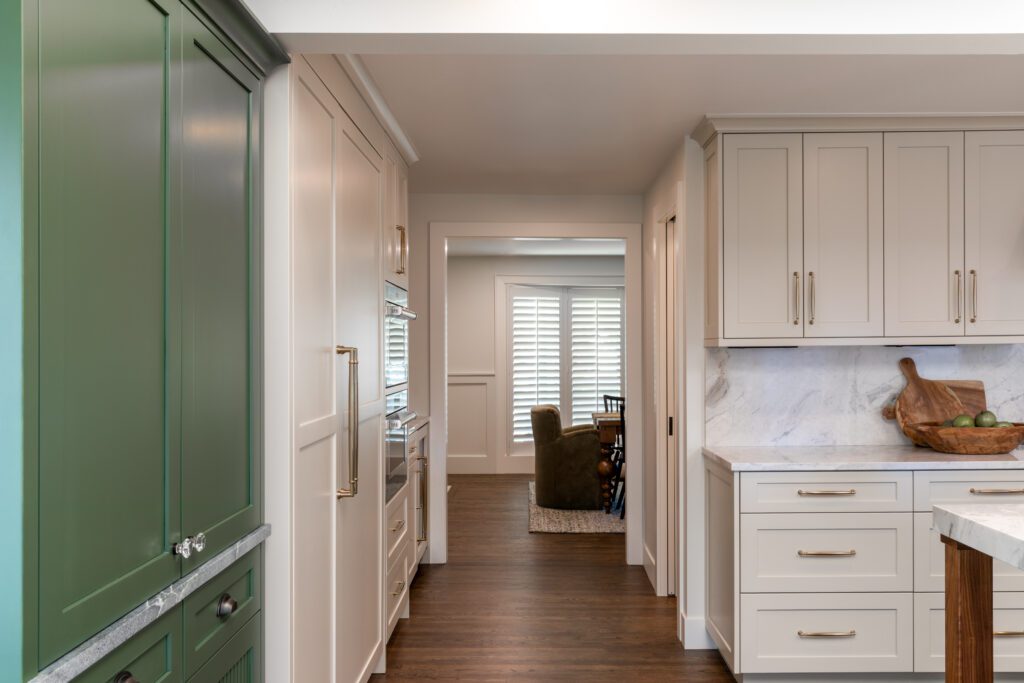
To change that, we reimagined the footprint entirely. By gently carving space from the dining room, the kitchen expanded into a generous, welcoming hub – a place where the day naturally begins and ends.
AFTER
When we expand a kitchen in a Denver home, it’s rarely just about square footage. It’s about shifting how the space functions. More room creates opportunities for softer sightlines, better circulation, and the kind of natural gathering that happens when a layout finally feels intuitive.
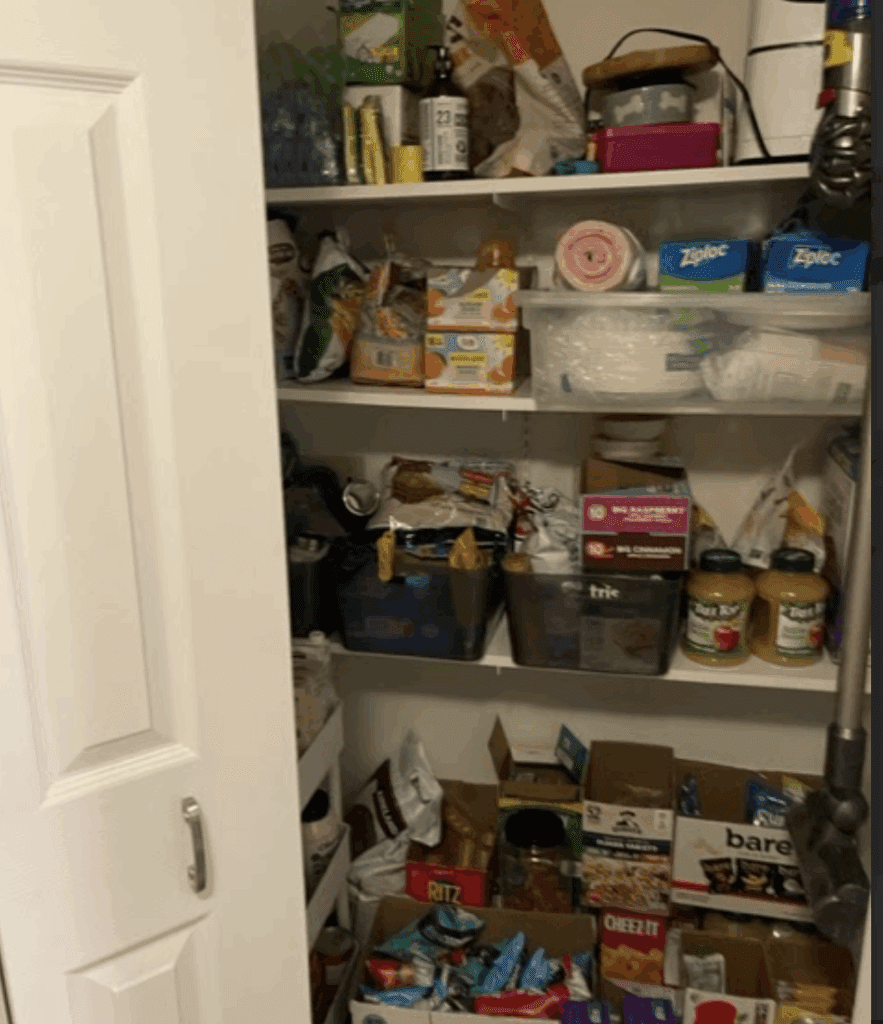
The new layout centers around an island with seating for six, designed for everything from weeknight dinners to holiday baking marathons. A walk-in pantry blends seamlessly into the architecture, keeping essentials close but out of sight. Luxury appliances make hosting feel effortless, and soft, layered lighting adds warmth at every hour.
The banquette – created by removing the old railing – is one of our favorite aspects of this remodel. It shifts the energy of the room instantly. What was once closed off is now open and airy and inviting. But it wasn’t just the footprint that changed. It was the feeling of moving through the space.
If there is one feature that consistently encourages connection in a kitchen, it’s a built-in seating nook. There is something about a banquette that signals comfort and makes conversation linger a little longer. It’s the kind of room that quietly reminds you what gathering is supposed to feel like.
A Dining Room That Feels Like an Invitation
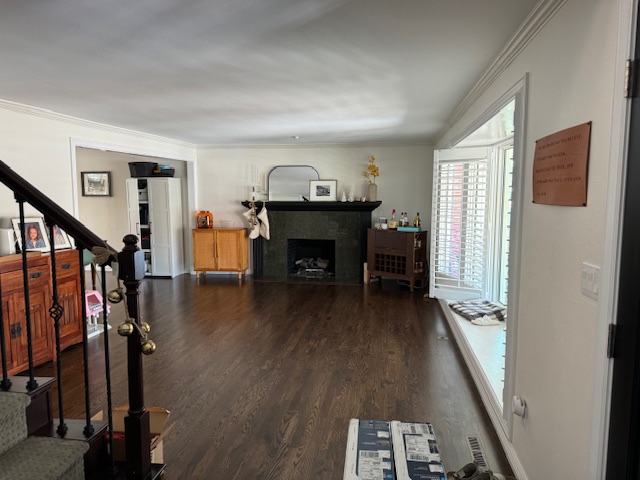
The original dining room leaned formal – used occasionally, but not daily.
BEFORE
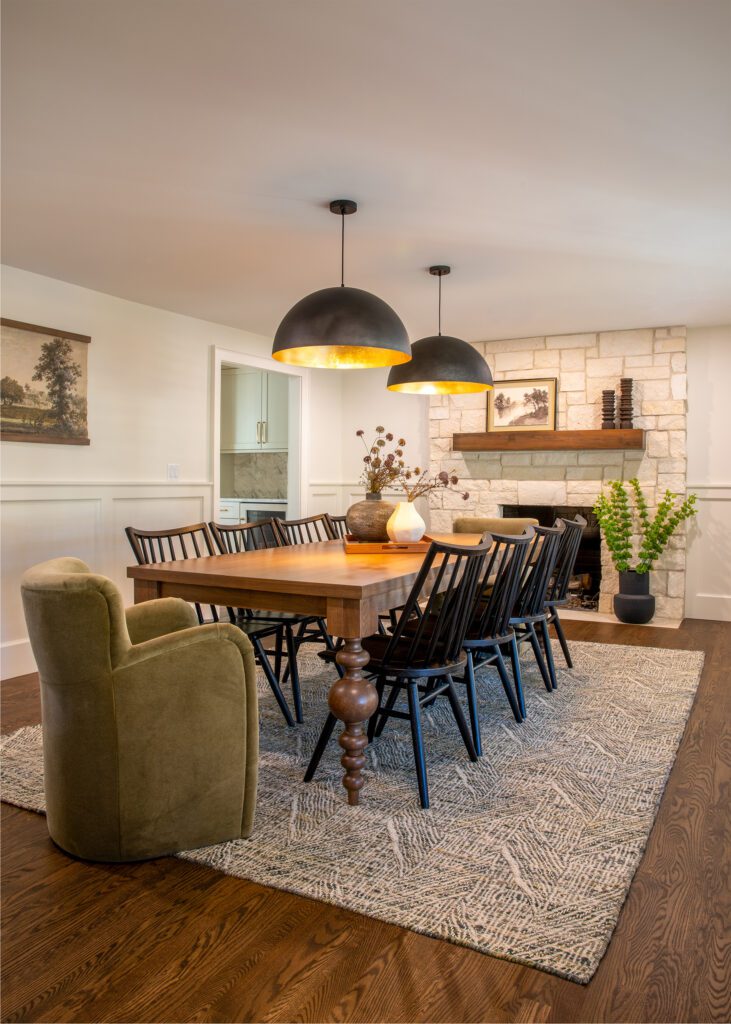
AFTER
With a new stone fireplace surround, a fresh mantel, updated lighting, and thoughtful wainscoting, the space feels transformed.
Now it’s a room that draws people in – a place where meals stretch a little longer and conversations have room to linger.
This is where design becomes emotional. When a room feels warm, grounded, and proportioned just right, people naturally slow down. A dining space becomes less about hosting and more about connecting.
Family Room: From Separate to Seamlessly Connected
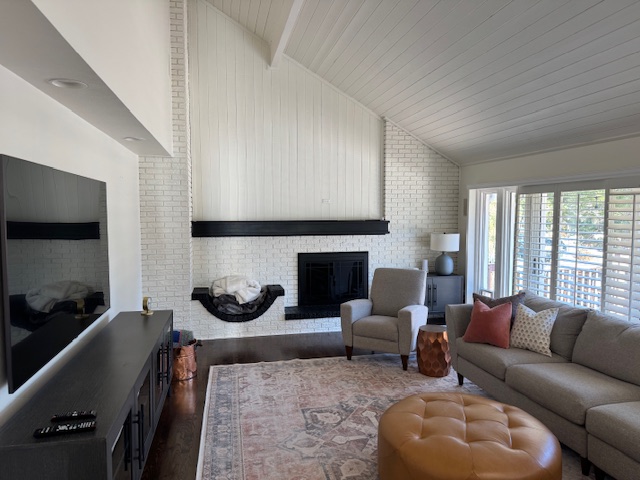
Like many Colorado homes built in the 90s, the family room sat apart rather than flowing naturally from the kitchen.
BEFORE
A redesigned fireplace wall changed everything. The plaster finish, custom mantel, and new built-ins bring both balance and warmth, turning the entire room into a subtle anchor for the main floor.
AFTER
Sightlines that once felt choppy now feel intentional. You can sit anywhere on the main floor and feel connected.
Connected sightlines do more than open a space visually. They shift how a home feels emotionally. When rooms speak to one another, people feel more at ease moving through them.
A Powder Room With Personality and Purpose
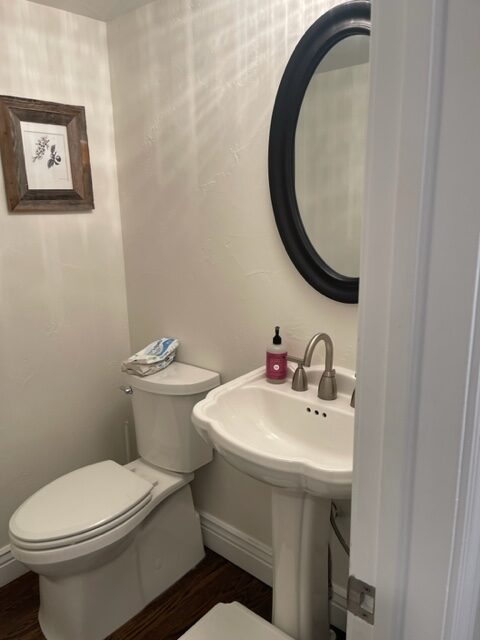
BEFORE
Small spaces can have a surprising amount of impact, and this powder room is proof.
What once felt purely utilitarian – a quick pass-through – now offers a polished moment that ties the main floor together.
AFTER
Richer materials, refined lighting, and a cohesive palette make the room feel part of the story instead of an afterthought.
Powder rooms are often where guests form their strongest impressions. A thoughtful design choice here speaks volumes about the care invested throughout the rest of the home.
Function Behind the Scenes: The Mudroom + Laundry
Connection isn’t just built in the main living spaces – it’s supported by the rooms behind the scenes.
Before the remodel, the laundry and mudroom lacked storage and intention.
BEFORE
Now, custom cabinetry, a utility sink, and thoughtful drop zones make this space work harder and smoother for daily life.
AFTER
A home designed for connection feels effortless, even on the busiest days.
When the behind-the-scenes spaces support the rhythm of daily living, the entire home feels calmer. Function creates the foundation for connection.
What This Remodel Teaches Us About Connection
Homes that bring people together don’t rely on trend or chance – they’re shaped by intention.
Open sightlines let conversations move freely. Lighting sets the tone from morning energy to evening warmth. Cozy corners – like the banquette – invite slowing down. Generous surfaces encourage sharing meals and moments. Materials with depth and soul make a home feel lived in, not styled for show.
What makes a home truly connected is how it supports the way people naturally move. When the design honors that rhythm, connection feels effortless.This remodel is a reflection of how this family wants to live: connected, comfortable, and at ease in their own space.
For Homeowners in the Denver Area
If you’re considering a remodel – an open-concept kitchen, a main floor refresh, a basement built for entertaining, or a great room designed for gathering – thoughtful design is your strongest tool.
When flow, lighting, and livability lead the way, a house becomes a home people love coming back to.
Denver Design Group would be honored to help you create a space that brings your favorite people closer.